

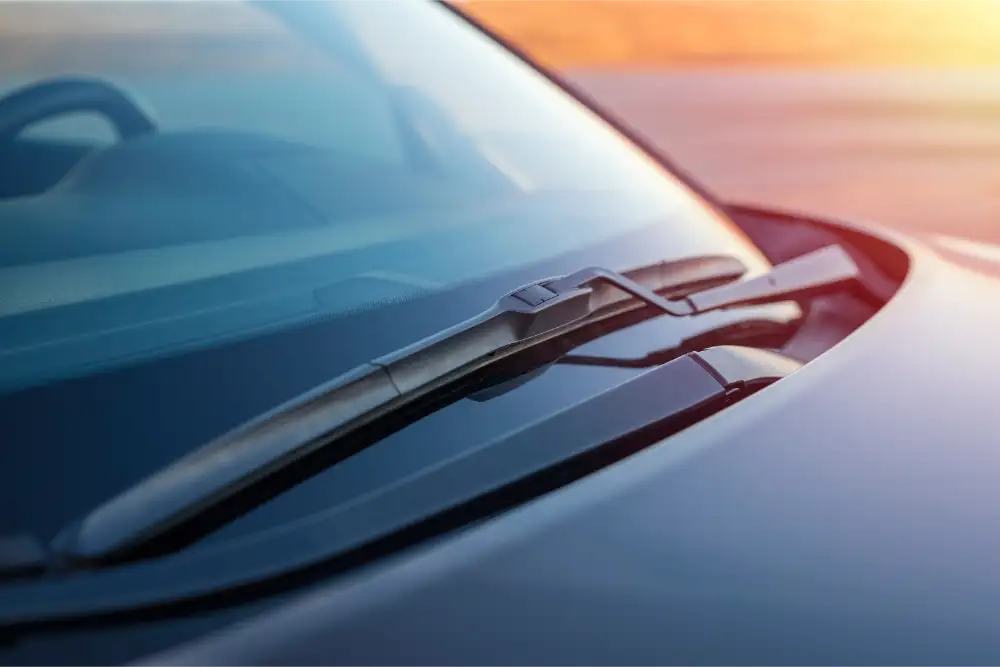
If you’ve ever had a rock chip crack your windshield on the freeway, you already know how stressful auto glass damage can be. But here’s something most drivers don’t think about until it’s too late: not all car glass is the same. The type of glass in your vehicle plays a huge role in how it breaks, how it protects you, and how it should be repaired or replaced. For Toyota owners in Frisco and the surrounding area, understanding the difference between tempered and laminated auto glass is essential before scheduling a Toyota auto glass replacement.
What Is Laminated Auto Glass?
Laminated glass is the type used in virtually every modern windshield, and for good reason. It’s constructed by bonding two layers of glass together with a thin layer of polyvinyl butyral (PVB) plastic sandwiched between them. This three-layer design gives the glass its remarkable safety characteristics.
When laminated glass takes a hard impact, it doesn’t shatter into loose, dangerous shards. Instead, the PVB interlayer holds the broken pieces together, keeping the glass intact even when it cracks. This is why, after a serious collision, a windshield may look like a spiderweb of cracks but still remains in one piece. That structural integrity is critical because it keeps passengers inside the vehicle and prevents ejection during a crash.
Laminated glass also plays a structural role in your car. The windshield on modern vehicles, including Toyota models, contributes to the overall rigidity of the cabin. It supports the roof and helps the airbags deploy correctly by providing a surface for the passenger-side airbag to push against. For these reasons, when it comes to OEM Toyota windshield replacement, using the correct laminated glass specification isn’t just a preference; it’s a safety requirement.
Another benefit worth noting is that laminated glass offers better UV protection and reduces road noise compared to tempered glass. Some higher-end windshields even include acoustic interlayers for an even quieter ride.
What Is Tempered Auto Glass?
Tempered glass goes through a completely different manufacturing process. It is heated to extremely high temperatures and then rapidly cooled, which creates internal stress within the glass. That internal stress is exactly what gives tempered glass its strength; it can withstand significantly more force than standard annealed glass.
However, when tempered glass does break, it behaves very differently from laminated glass. Instead of cracking in jagged shards, it shatters into hundreds of small, rounded pebble-like pieces. This is often called “dicing,” and it’s a deliberate safety feature. The small, blunt pieces are far less likely to cause serious lacerations compared to large, sharp fragments.
You’ll find tempered glass in the side windows and rear windows of your Toyota. These areas don’t carry the same structural load as the windshield, but they still need to break in a way that doesn’t trap or severely injure a passenger. In the event of a rollover or impact, a tempered side window can be broken out by emergency responders to access occupants, which is another reason this glass type is ideal for those positions in the vehicle.
It’s important to understand that tempered glass cannot be repaired the same way laminated glass can. A chip or crack in your windshield can often be filled and sealed by a Toyota glass repair specialist, but a cracked tempered side window typically requires full replacement.
Laminated vs Tempered Auto Glass: Key Differences That Matter
When comparing laminated vs tempered auto glass, the differences go deeper than just how they break. The right choice depends entirely on where the glass is positioned in the vehicle and what role it plays.
Laminated glass is designed to stay together on impact, making it the only acceptable material for windshields. It resists penetration, which is critical in protecting occupants from flying debris and in preventing ejection during accidents. It also works in harmony with modern driver-assistance systems. Many Toyota vehicles now have cameras and sensors mounted directly to or near the windshield, so a precise OEM Toyota windshield replacement ensures those systems continue to function correctly.
Tempered glass, on the other hand, is built for positions where shattering away from the occupant is the safer outcome. Side and rear windows don’t support the vehicle structure the same way a windshield does, so the priority shifts to preventing serious cuts and allowing emergency egress.
Neither type is “better” in an absolute sense. Each is engineered for a specific purpose, and using the wrong type in the wrong location could compromise the safety systems your vehicle relies on. This is why working with a certified auto glass mechanic matters so much. A qualified technician will know which glass type belongs in each position and will source materials that meet the original manufacturer specifications.
Why Toyota Owners in Frisco Should Choose OEM Glass
There’s a common temptation to save money by choosing aftermarket glass during a Toyota auto glass replacement in Frisco. It seems like a reasonable shortcut, but the tradeoffs can be significant. Aftermarket glass is manufactured to general tolerances rather than Toyota’s precise specifications. The result can be minor but meaningful differences in thickness, curvature, or coating quality.
For older Toyota models, the impact of using aftermarket glass may be minimal. But for newer models equipped with Advanced Driver Assistance Systems (ADAS), including lane departure warnings, automatic emergency braking, and adaptive cruise control, even a slight variation in windshield glass can throw off the calibration of cameras and sensors. After an OEM Toyota windshield replacement, these systems typically need to be recalibrated anyway. Using glass that doesn’t match factory specs makes accurate calibration difficult or impossible.
OEM glass is manufactured by or to the exact standards of the original supplier. It fits precisely, maintains the correct optical clarity, and supports the full functionality of every system integrated with or near the glass. For Toyota owners in Frisco who want their vehicle performing the way it was designed to, OEM is the clear choice.
Working with a Toyota glass repair specialist rather than a general auto glass shop also makes a meaningful difference. Specialists understand the nuances of Toyota’s glass configurations across different model years and trim levels. They’re more likely to have the right OEM inventory on hand and to be familiar with the recalibration procedures required after windshield replacement.
How to Find a Certified Auto Glass Mechanic in Frisco
Not all auto glass technicians are created equal. When you’re looking for someone to handle a Toyota auto glass replacement in Frisco, there are a few things to look for that separate a qualified professional from a less experienced one.
First, look for technicians who hold certifications from the Auto Glass Safety Council (AGSC) or similar recognized organizations. A certified auto glass mechanic has completed training that covers proper installation techniques, adhesive curing times, and safety standards. This matters because a poorly installed windshield can detach during a collision, completely defeating its protective purpose.
Second, ask whether the shop uses OEM or OEM-equivalent glass and whether they perform ADAS recalibration after installation. A reputable Toyota glass repair specialist will be upfront about this and will walk you through what the process involves.
Third, check reviews and ask for references. Toyota owners in Frisco have options, and a shop with a consistent track record of quality work and transparent pricing is worth the research time.
Conclusion
Understanding the difference between laminated and tempered auto glass helps you make informed decisions when your Toyota needs attention. Laminated glass keeps your windshield intact during impacts, while tempered glass protects you in side and rear positions by shattering safely. For Toyota owners in Frisco, choosing OEM Toyota windshield replacement and working with a certified auto glass mechanic ensures your vehicle stays as safe and functional as the day it left the factory.
Need Auto Glass Services Near You?
We are proud to serve drivers throughout Frisco, Carrollton, and surrounding North Texas areas with professional windshield replacement, windshield repair, and full auto glass repair, all delivered through our convenient mobile service. Whether you need chip repair, side or rear window replacement, ADAS calibration, or specialized care for classic and vintage vehicles, our experienced team is ready to come directly to you and get you safely back on the road. Contact us today to schedule reliable mobile glass repair and experience the quality and care our customers count on.