

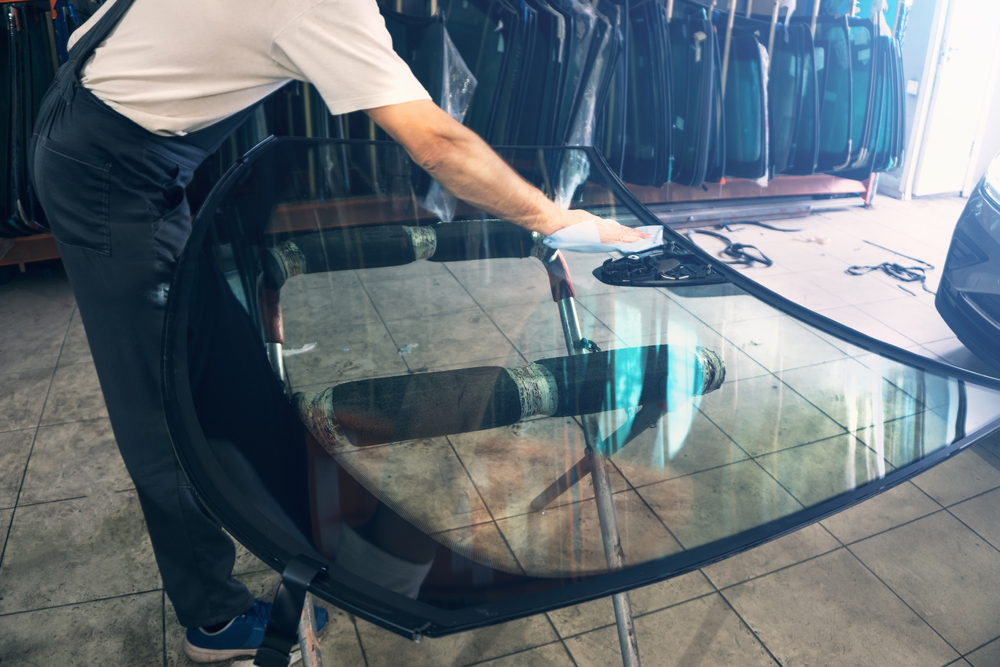
When your vehicle’s glass is damaged, the process of finding the right car glass replacement solution can feel overwhelming. Whether you are dealing with a cracked windshield, a shattered side window, or a damaged rear glass, understanding your options is the first step toward making a smart, informed decision. Not all glass is created equal, and not all replacement services offer the same quality or value.
This guide breaks down the most common types of car glass replacement options so you can choose with confidence.
OEM Glass: The Gold Standard of Car Glass Replacement
Original Equipment Manufacturer (OEM) glass is produced by the same manufacturer that made the glass originally installed in your vehicle at the factory. When you choose OEM glass replacement, you are getting a product that matches your car’s original specifications in terms of thickness, tint, curvature, and optical clarity.
For drivers who prioritize precision and want to maintain their vehicle’s integrity, OEM glass is often the top recommendation. It is especially important for newer vehicles with advanced driver assistance systems (ADAS), such as lane departure warnings and automatic emergency braking. These systems rely on cameras and sensors mounted near the windshield, and even minor deviations in glass quality can affect their calibration and performance.
The main drawback of OEM glass is the cost. Because it is sourced directly from the vehicle manufacturer or authorized suppliers, it tends to be significantly more expensive than other options. Dealerships typically carry OEM parts, but independent auto glass shops may need to order them, which can extend the turnaround time for your glass replacement.
If you lease your vehicle or plan to sell it in the near future, OEM glass can help preserve resale value and keep the car in its original condition. For everyday drivers on a budget, though, there are worthy alternatives worth exploring.
OEE and Aftermarket Glass: Affordable Alternatives
Original Equipment Equivalent (OEE) glass is manufactured by third-party companies but is built to meet or exceed the standards set by the vehicle’s original manufacturer. It offers a middle ground between premium OEM glass and lower-cost aftermarket products, making it a popular choice for glass replacement across a wide range of vehicles.
Aftermarket glass, on the other hand, is produced independently of the original manufacturer’s specifications. It is widely available, often less expensive, and can be found at most auto glass shops. The quality of aftermarket glass can vary considerably depending on the brand and manufacturer, so it pays to do your research before committing to a provider.
For drivers whose vehicles are older or whose insurance deductibles make OEM glass impractical, aftermarket glass replacement is a cost-effective solution. The key is to work with a reputable shop that sources glass from certified suppliers. Look for glass that meets or exceeds the American National Standards Institute (ANSI) standards, which ensure a minimum level of safety and optical quality.
One concern with lower-tier aftermarket glass is that it may not fit as precisely as OEM or OEE options. Poor fitting can lead to air leaks, water intrusion, road noise, and in the worst cases, structural weakness in the event of a collision. Always ask your glass replacement technician about the origin and certification of the glass being installed.
Dealer vs. Independent Shop: Choosing Your Glass Replacement Service
Beyond the type of glass itself, another critical decision is where you go for your glass replacement service. You generally have two main choices: an authorized dealership or an independent auto glass shop.
Dealerships have the advantage of guaranteed access to OEM parts and manufacturer-trained technicians. If your vehicle is under warranty, having the work done at a dealership may be required to keep that warranty intact. Dealerships also tend to have up-to-date equipment for ADAS recalibration, which is increasingly important as more vehicles come equipped with camera-based safety features.
Independent auto glass shops, however, offer competitive pricing and are often more flexible with scheduling. Many have developed strong reputations for quality workmanship and carry both OEM and high-quality aftermarket options. National chains like Safelite AutoGlass have made the glass replacement process more streamlined, offering mobile services where a technician comes to your home or workplace. Smaller local shops may offer more personalized service and lower prices.
When evaluating any shop, ask about their technician certifications. The Auto Glass Safety Council (AGSC) offers certification programs that ensure technicians follow proper installation protocols. Proper installation is just as important as the quality of the glass itself because a poorly installed windshield can detach during a collision, putting occupants at serious risk.
Insurance Coverage and the Cost of Glass Replacement
One of the most important factors in your glass replacement decision is whether your insurance policy covers the repair or replacement. Comprehensive auto insurance typically covers glass damage caused by events outside of a collision, such as hail, falling debris, or vandalism.
In some states, including Florida, Kentucky, and South Carolina, insurers are required by law to offer zero-deductible glass coverage. In California and many other states, you will likely need to pay your deductible before insurance kicks in, unless you have a separate glass rider on your policy.
Before scheduling a glass replacement, it is worth contacting your insurer to understand exactly what is covered. Some insurance companies have preferred provider networks, meaning they will only cover the full cost if you use a shop they have approved. Going outside of that network could mean paying a larger out-of-pocket share.
For minor chips and cracks, many insurers prefer to cover a repair rather than a full replacement, since repairs are significantly cheaper. A small chip can often be filled with a resin compound that restores the structural integrity of the glass and prevents the crack from spreading. If the damage is within the driver’s line of sight or exceeds a certain size, replacement is typically required regardless.
Keep in mind that filing a claim for glass replacement may or may not affect your insurance premium depending on your provider and the type of claim. Ask your agent before filing to understand the potential financial impact.
Mobile vs. In-Shop Glass Replacement: Convenience and Considerations
The rise of mobile glass replacement services has changed the way many drivers handle glass damage. Mobile services send a certified technician directly to your location, whether that is your home, office, or another convenient spot. For people with busy schedules, this option removes the hassle of dropping off a vehicle and arranging alternative transportation.
Mobile glass replacement is suitable for many standard windshield jobs, but there are limitations. Extreme weather conditions, such as heavy rain or very cold temperatures, can interfere with the adhesive curing process. In-shop replacements allow for a more controlled environment, which can be especially important for ensuring a proper seal.
In-shop services also tend to be better equipped for complex jobs, such as replacing rear windshields with embedded defrost elements or installing glass on vehicles with complex roof systems. If your vehicle requires ADAS recalibration after a windshield replacement, an in-shop visit is usually necessary because the calibration equipment is large and not easily transported.
Whether you choose mobile or in-shop service, ask how long you should wait before driving the vehicle. Most modern adhesives require a minimum drive-away time of at least one hour, but some installations recommend waiting longer for the best results.
Conclusion
Choosing the right glass replacement option comes down to your budget, your vehicle’s age and technology, and the extent of the damage. OEM glass offers the best fit and compatibility, while OEE and aftermarket options provide cost-effective alternatives for many drivers. Selecting a certified technician and understanding your insurance coverage can save you both money and stress. With the right information, you can make a confident decision that keeps you and your passengers safe on the road.
Need Auto Glass Services Near You?
We are proud to serve drivers throughout Frisco, Carrollton, and surrounding North Texas areas with professional windshield replacement, windshield repair, and full auto glass repair, all delivered through our convenient mobile service. Whether you need chip repair, side or rear window replacement, ADAS calibration, or specialized care for classic and vintage vehicles, our experienced team is ready to come directly to you and get you safely back on the road. Contact us today to schedule reliable mobile glass repair and experience the quality and care our customers count on.